
How to Reduce Noise from Upstairs Neighbours (UK Soundproofing Guide)

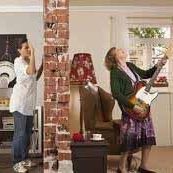
Noise from upstairs neighbours is one of the most common frustrations for flat owners and tenants in the UK. Whether it’s footsteps, voices, or TV noise, a properly soundproofed ceiling can make a huge difference. This guide explains how to soundproof a ceiling effectively, which materials work best, and how much it costs to achieve peace and quiet in your home.
Why Soundproof a Ceiling in a Flat?
If you can hear footsteps, moving furniture or conversations from above, it means your ceiling isn’t blocking airborne or impact noise effectively.
There are two main types of noise to tackle:
- Impact noise: footsteps, moving furniture, dropped items
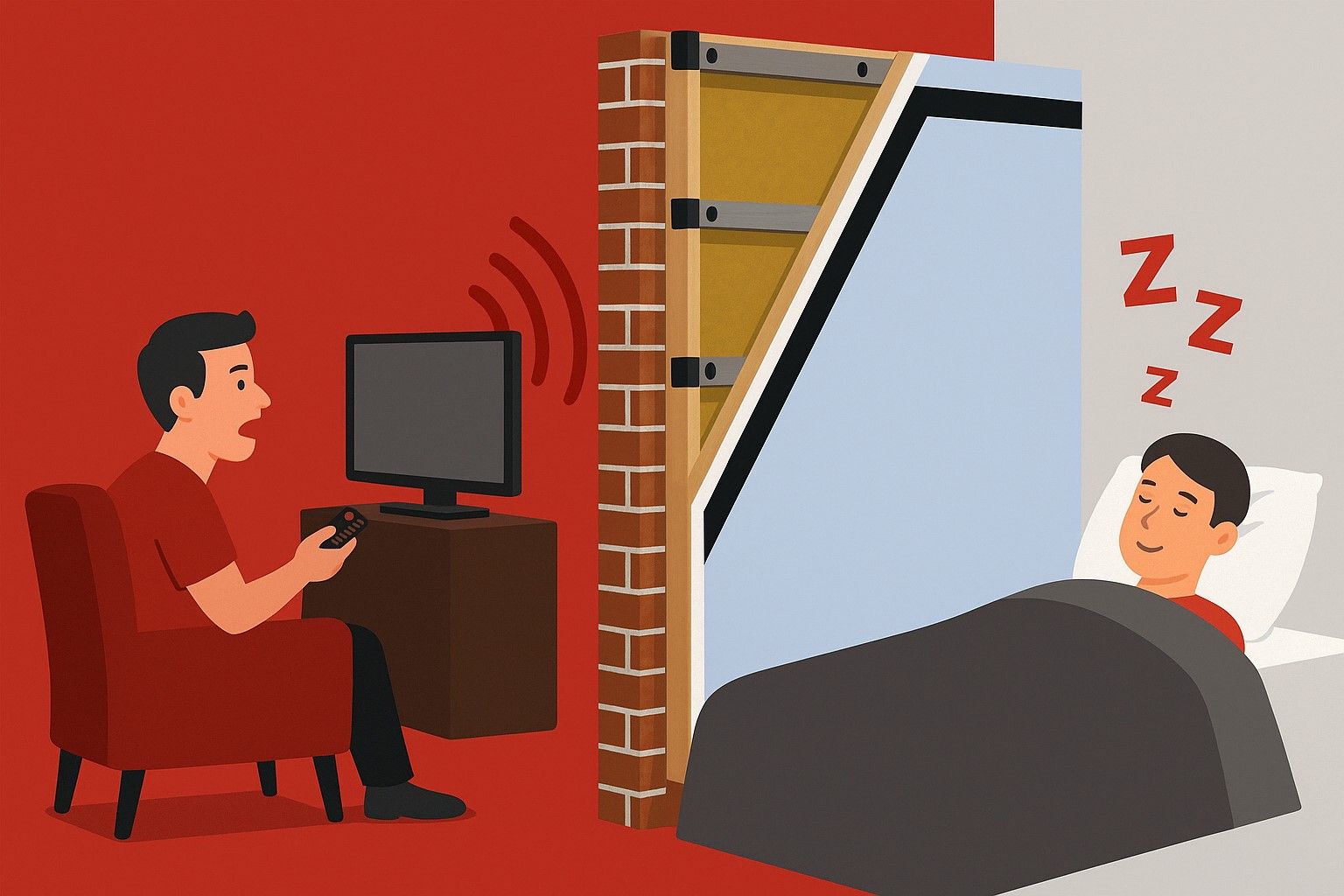
- Airborne noise: talking, music, or TV
The goal of soundproofing is to add mass, separation, and damping so that sound energy doesn’t pass through your ceiling.
Best Ways to Soundproof a Ceiling
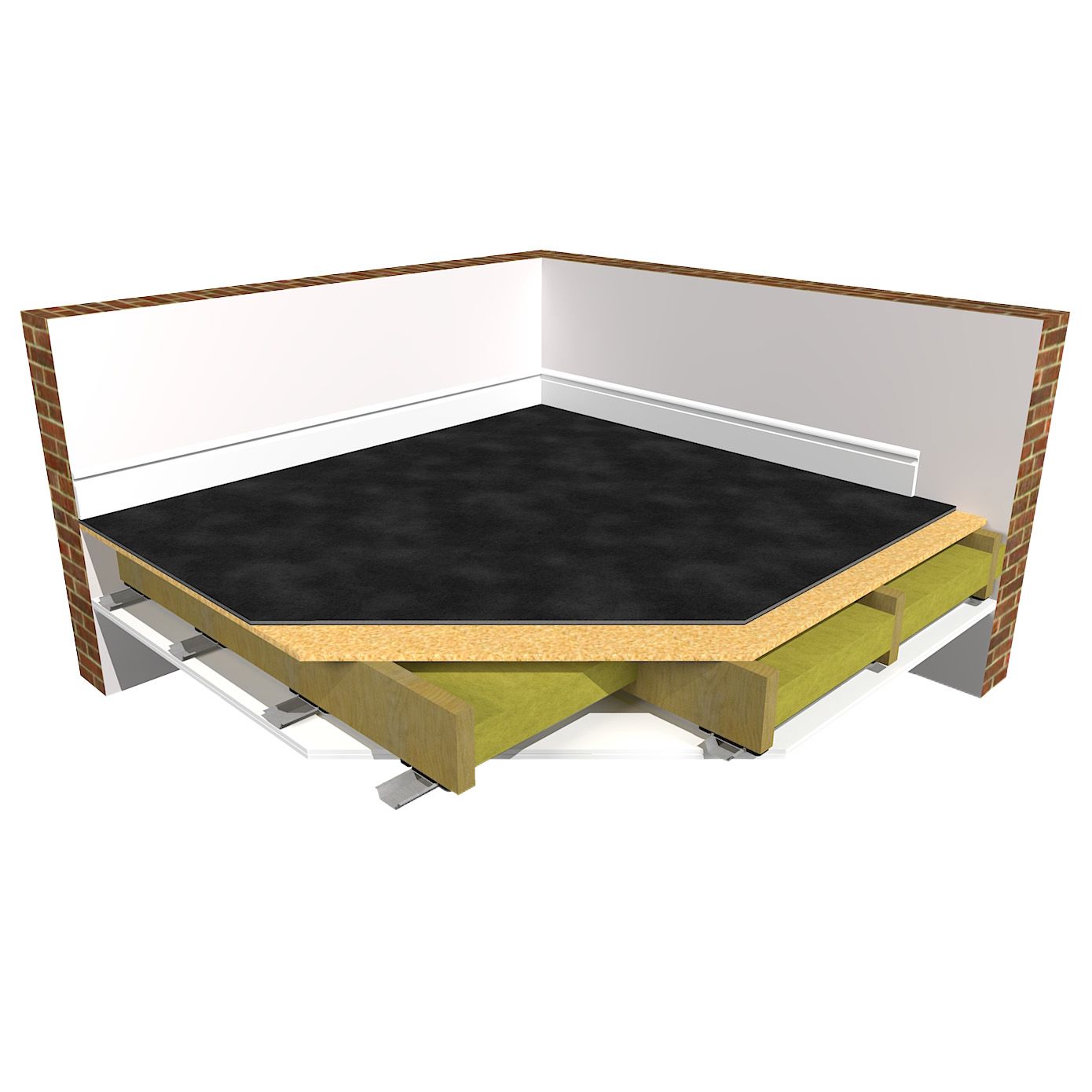
The most effective way to soundproof a ceiling in a flat is to install a decoupled ceiling system, such as the ReductoClip Ceiling System.
This system separates the ceiling from the floor above, dramatically reducing both airborne and impact noise from neighbours or members of the same household being noisy in the upper floors of the same house.
How the ReductoClip Ceiling System Works
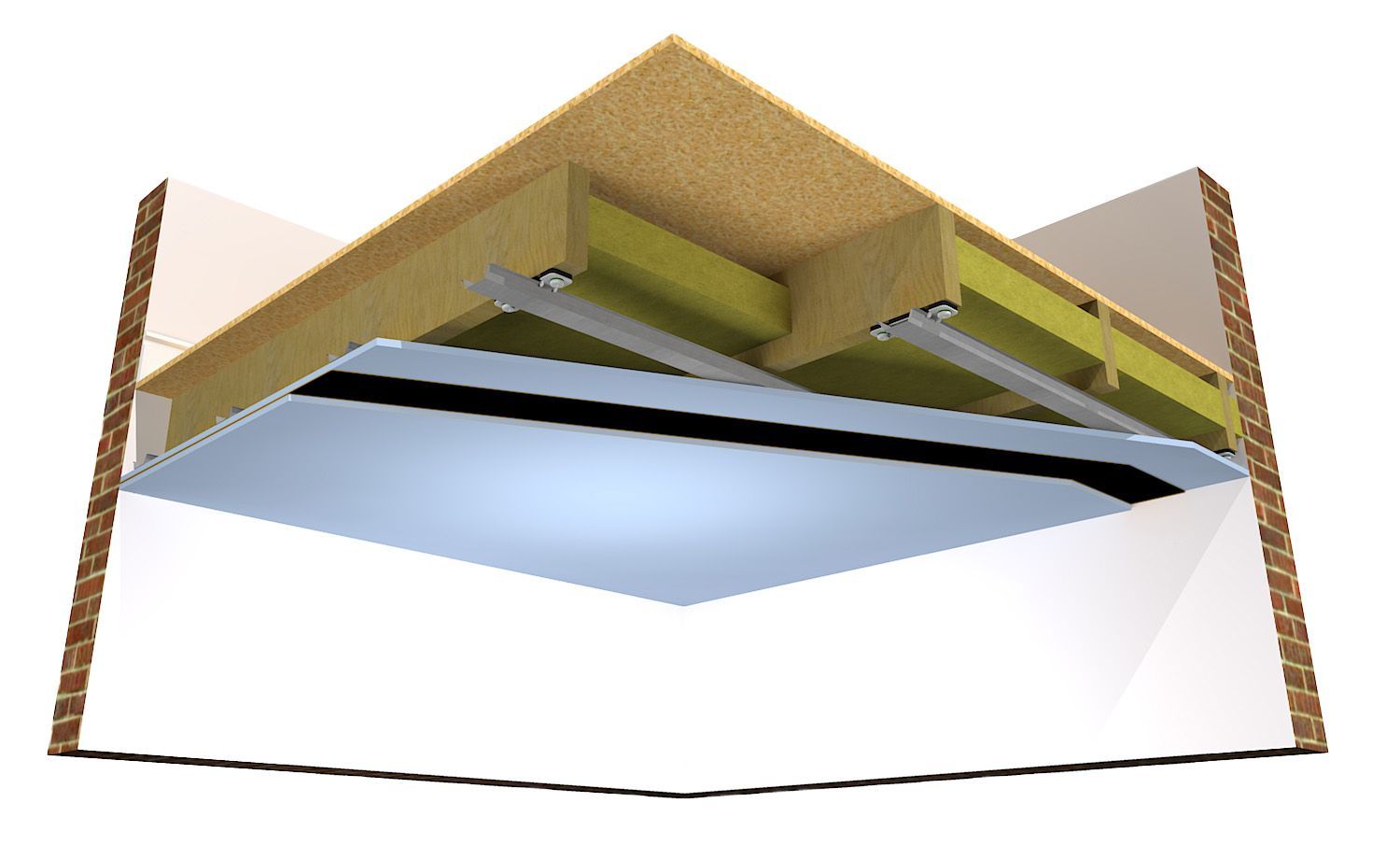
- ReductoClips
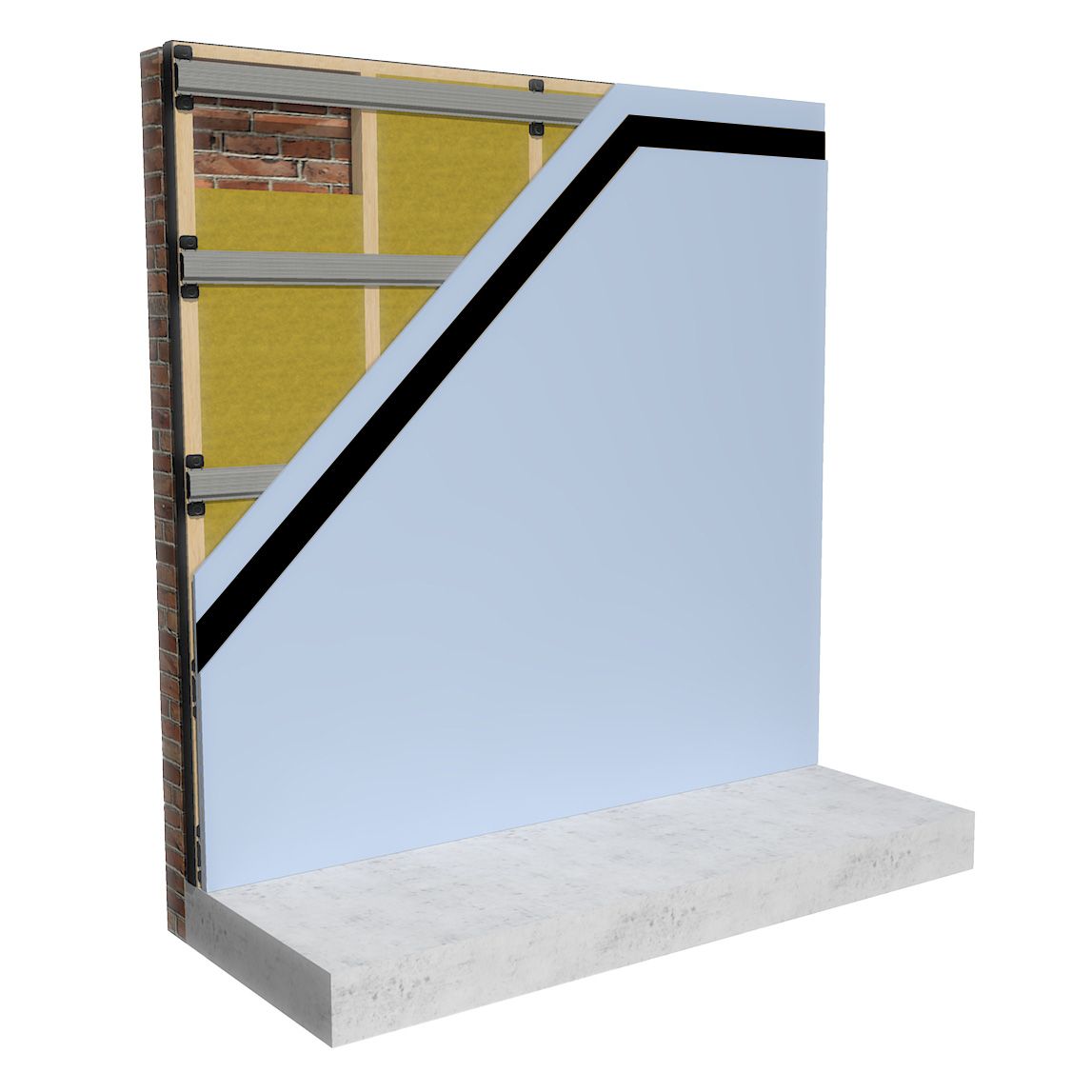
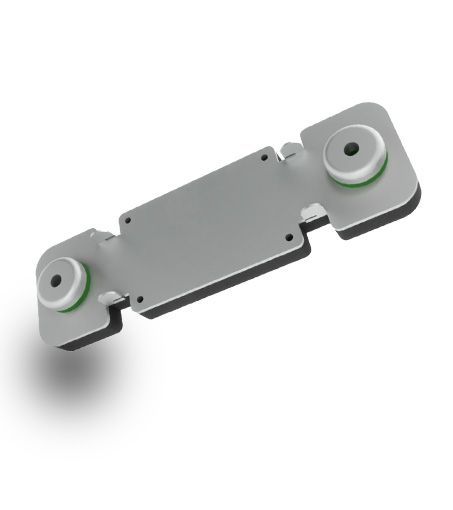
These specialist sound isolation clips decouple the ceiling structure from the timber joists, acting like a shock-absorbing suspension system. They isolate and dampen high levels of sound energy and vibration, preventing noise from transferring through the ceiling. - ReductoClip Furring Channels
The extra-wide metal channels slot into the clips and provide a stable fixing point for acoustic plasterboards. Their width makes acoustic plasterboard installation faster and easier. - Acoustic Mineral Wool
Dense acoustic insulation is fitted between the joists to absorb sound within the cavity. This prevents sound from amplifying or resonating. - Acoustic Plasterboard (2 Layers)
Two layers of high-mass acoustic plasterboard are added with FlexiSound sandwiched in between to increase ceiling density. These boards offer greater mass and airborne sound reduction than standard plasterboard but can still be finished and decorated normally. - FlexiSound 5 Membrane
The FlexiSound 5 viscoelastic membrane adds an additional type of mass to target a wider range of sound frequencies. It helps absorb and dampen sound energy and vibration, enhancing the performance of the full ceiling system.
Watch: How to Soundproof a Ceiling Using the ReductoClip System
Learn how to soundproof a ceiling against noisy neighbours and reduce both impact and airborne noise with the ReductoClip Ceiling System, the UK’s leading high-performance solution for timber joist ceilings. This video demonstrates a full DIY installation, showing how the ReductoClip system decouples the soundproofing layers from the original structure to prevent vibration transfer and deliver outstanding results.
At just 60 mm thick, it’s the slimmest clip-and-bar soundproofing system on the market, making it ideal for flats, homes, and apartments where ceiling height is limited. The ReductoClip System is also widely used in music studios, home cinemas, and high-volume environments needing superior sound control.
Watch the step-by-step video below to see how easily you can create a quiet, peaceful living space while maintaining maximum ceiling height.
How Much Does Ceiling Soundproofing Cost in the UK?
Soundproofing a ceiling in a UK flat using the
ReductoClip Ceiling System typically costs between £1,400 and £1,600
for an average-sized ceiling measuring around
3m wide by 4m long.
This price includes
all soundproofing materials, delivery, and VAT.
Costs can vary depending on several factors, including the ceiling structure (timber or concrete), the overall room size, and whether you choose DIY installation or hire a professional tradesperson.
Can You Soundproof an Existing Ceiling?
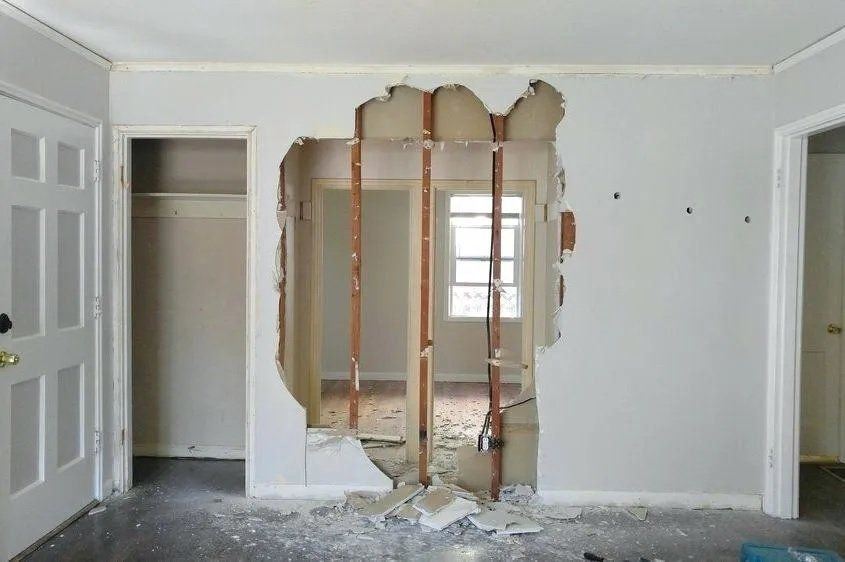
Yes, it’s absolutely possible to soundproof an existing ceiling. The most effective approach is to remove the existing plasterboard, as leaving it in place can create a hollow void that traps and amplifies sound, often called the “drum effect.”
If your ceiling is made from lathe and plaster, it’s best to remove it and expose the joist cavities. Once open, fill the space with high-density acoustic mineral wool to absorb noise so it doesn't echo and amplify within the cavity.
For maximum sound reduction, install the ReductoClip Ceiling System. This creates an isolated ceiling layer that effectively blocks both impact and airborne noise from above, delivering professional-grade acoustic performance.
How Much Space Does Ceiling Soundproofing Take Up?
A common concern when soundproofing ceilings in flats is
how much height you lose.
The
ReductoClip Ceiling System offers one of the
slimmest soundproofing solutions available, adding only
60mm from the bottom of the timber joist to the final layer of acoustic plasterboard, while still providing the
highest level of sound reduction.
This makes it ideal for flats, basement conversions, and rooms with limited ceiling height where maintaining headroom is essential.
How to Stop Hearing Noisy Neighbours Above
If you’re constantly hearing footsteps, conversation, or music from upstairs, the best solution is to soundproof the ceiling system with a high-performing, tried and tested solution like the ReductoClip Ceiling System.
Avoid so called 'quick fixes' like foam panels, they reduce echo but don’t stop noise transfer.
Does Ceiling Soundproofing Work Both Ways?
Yes, ceiling soundproofing works in both directions, helping to reduce sound
coming down from above
and
leaving your room below and entering the room above.
A properly installed
decoupled ceiling system
like the
ReductoClip System blocks
impact noise, such as footsteps or furniture movement, from upstairs neighbours, while also reducing airborne noise like music, TV, and voices.
This two-way sound isolation is ideal for flats, apartments, and multi-occupancy homes, creating quieter, more private living environments for everyone.
Final Thoughts
Soundproofing a ceiling in a flat is one of the most effective ways to regain peace and quiet.
Whether you’re tackling noisy neighbours or soundproofing between floors in your own home. Using
high-performance materials like
ReductoClips, FlexiSound, Acoustic Mineral Wool and Acoustic Plasterboard ensures high preforming results.
If you’re unsure where to start, contact our expert team at The Soundproofing Store for free, no-pressure advice on the best ceiling system for your property.
Read what our customers say in our independent customer reviews and see why The Soundproofing Store is trusted by homeowners and professionals across the UK.
About the Author - Phi Lyons
Phil Lyons is the Managing Director of The Soundproofing Store, the UK’s leading specialists in practical, high-performance soundproofing solutions. With over a decade of hands-on experience supporting homeowners, builders, and specifiers, Phil has earned a reputation for helping people solve every type of noise issue. From everyday household disturbances caused by noisy neighbours, to the more demanding requirements of home music studios. Over the years, he has guided thousands of customers toward creating quieter homes, music studios, and workspaces across the UK.
Phil is passionate about educating people on how soundproofing really works, cutting through the jargon, and empowering customers to make confident, informed decisions. Under his leadership, The Soundproofing Store has become known for its award-winning, science-backed systems, expert advice and continued product development to achieve the highest possible results for customers.
An authoritative voice within Soundproofing, Phil also fronts
The Soundproofing Store YouTube channel, sharing his extensive knowledge and expertise with people all over the world.
"We don’t expect you to become an overnight expert in soundproofing, that’s what we’re here for."